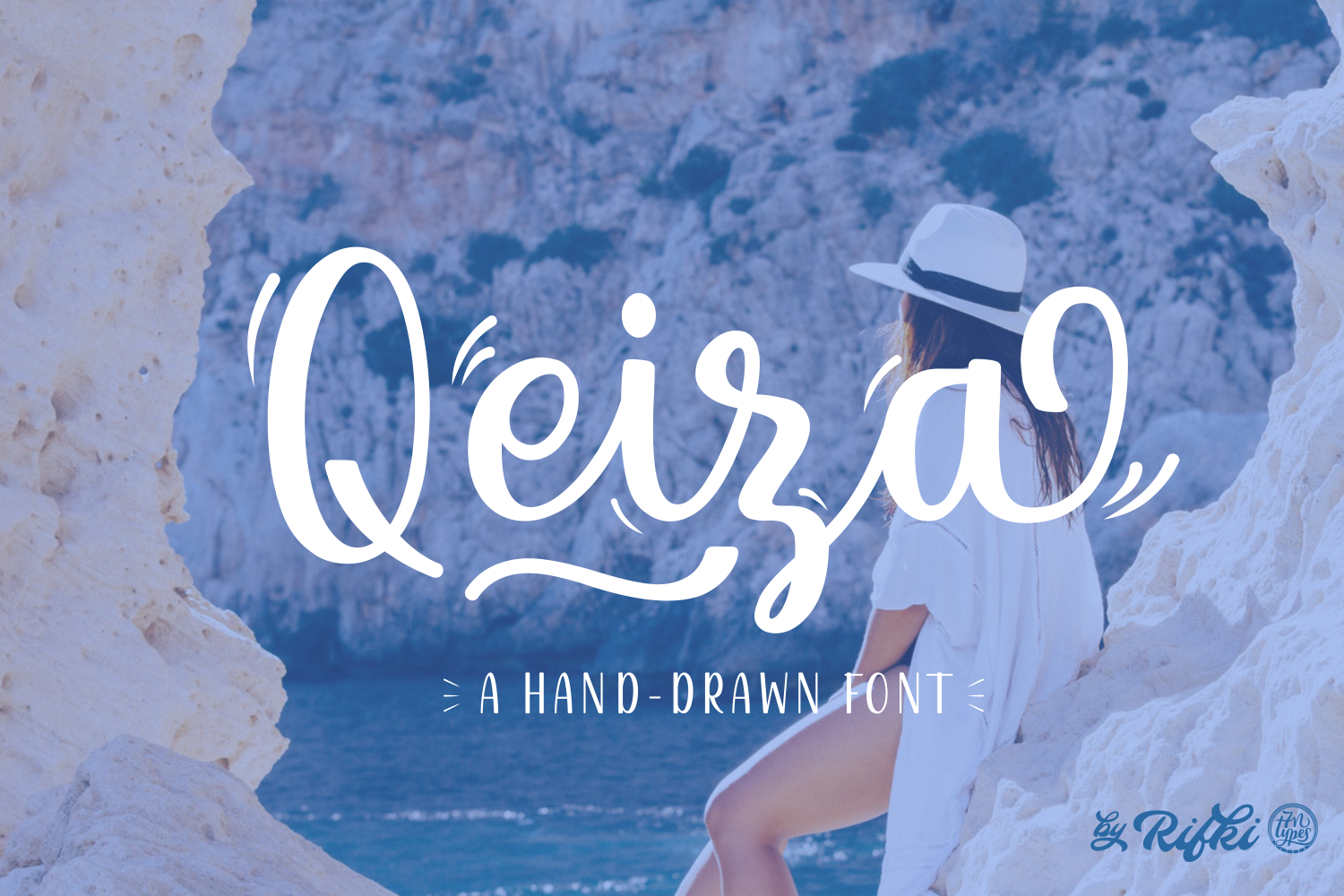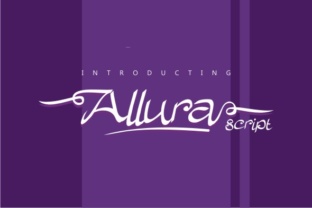
Allura Script Font for Modern Web Design
Allura Script for Friendly and Romantic Landing Pages
When selecting Allura Script, Script Handwritten styles, and premium Fonts for a landing page, the primary goal is to establish an immediate emotional connection with the visitor. Allura Script is a fun and modern calligraphy font that excels in hero sections where brand personality must be communicated within seconds of a page load. For web designers crafting experiences for lifestyle brands, wedding services, or creative coaching platforms, this typeface offers a distinct advantage over generic system fonts. Its fluid strokes and balanced x-height create a sense of approachability that rigid sans serifs often lack, while maintaining enough structural integrity to remain legible on high-resolution displays.
In conversion-focused layouts, the typography you choose acts as a silent guide for user behavior. Allura Script performs exceptionally well when used to highlight value propositions or emotional hooks in the above-the-fold area. Because it is fresh and ready for Spring aesthetics, it naturally aligns with seasonal campaigns, product launches, and limited-time offers that require a vibrant, optimistic tone. However, digital readability remains paramount; this font should be reserved for large display sizes, typically 48px or higher on desktop, to preserve the intricate details of its calligraphic forms. When scaled correctly, it transforms a standard landing page into a bespoke brand experience that feels curated rather than templated.
Enhancing Visual Hierarchy with Allura Script Headers
Integrating Allura Script, decorative Script Handwritten elements, and complementary Fonts requires a disciplined approach to visual hierarchy to ensure users can scan content efficiently. As a display typeface, Allura Script commands attention, making it ideal for H1 and H2 tags that serve as section dividers or primary headlines. In UI design, contrast is the mechanism that creates order; pairing this ornate script with a clean, geometric sans serif or a neutral grotesque typeface for body copy establishes a clear distinction between navigation elements and decorative accents. This juxtaposition not only aids accessibility but also reinforces the modern aesthetic that defines current web design trends.
For digital product creators, consistency in hierarchy builds trust. If Allura Script is used for the main hero title, it should reappear strategically in subsequent sections to create a rhythmic visual cadence throughout the scroll. Avoid using it for dense paragraphs, navigation menus, or small UI components like breadcrumbs, as the complex ligatures can degrade at smaller sizes. Instead, utilize it for pull quotes, testimonial highlights, or special announcement banners. This selective application ensures that the font retains its impact and does not fatigue the user’s eye, maintaining a professional balance between artistic expression and functional usability.
Allura Script for Boutique Online Stores and Product Banners
E-commerce interfaces utilizing Allura Script, retail-focused Script Handwritten typography, and commercial Fonts benefit from the typeface's ability to convey artisanal quality and warmth. For boutique online stores selling handmade goods, jewelry, or organic beauty products, the font serves as a digital signature that differentiates the brand from mass-market competitors. In product category banners and promotional headers, Allura Script adds a layer of sophistication that suggests care and craftsmanship. Its romantic yet modern character is particularly effective for "New Arrivals" or "Spring Collection" signage, directly leveraging its seasonal freshness to drive engagement and click-through rates.
From a technical web design perspective, implementing this font in an e-commerce environment requires careful consideration of loading performance and cross-browser rendering. Webfont files should be optimized to prevent layout shifts during page load, ensuring that the shopping experience remains seamless. When designing sale badges or discount overlays, Allura Script provides a softer alternative to bold block letters, making promotional messaging feel like an exclusive invitation rather than an aggressive demand. This subtle psychological shift can improve brand perception and customer loyalty, turning transactional touchpoints into moments of brand delight.
Optimizing Allura Script Readability on Mobile Screens
Deploying Allura Script, responsive Script Handwritten adjustments, and mobile-friendly Fonts demands rigorous testing across various viewport widths to maintain legibility. On mobile devices, screen real estate is limited, and touch targets must remain accessible; therefore, this script font should never be used for interactive buttons or form labels. Instead, reserve it for static decorative headings or introductory text blocks that set the mood without impeding navigation. Responsive typography scales are essential here; while 60px might look perfect on a desktop monitor, a fluid clamp() function should reduce the size proportionally on smartphones to prevent awkward line breaks or horizontal scrolling.
Contrast ratios also play a critical role in mobile optimization. Allura Script’s varying stroke width means that thin hairlines can disappear against busy background images or low-contrast color schemes. Web designers should implement text shadows, semi-transparent backdrops, or solid color blocks behind the text when overlaying it on photography. Additionally, consider the line-height; script fonts generally require more vertical breathing room than sans serifs to prevent ascenders and descenders from colliding. By treating mobile responsiveness as a core design constraint rather than an afterthought, you ensure that the friendly and romantic vibe of the font translates effectively to users browsing on the go.
Allura Script Pairings for Professional Digital Brand Identity
Building a cohesive identity system with Allura Script, versatile Script Handwritten combinations, and foundational Fonts relies on selecting partners that amplify rather than compete with the script’s personality. For a modern editorial look, pair Allura Script with a high-contrast serif font for subheadings and a monospaced or humanist sans serif for body text. This triad creates a rich typographic texture suitable for blogs, magazines, and portfolio sites that want to project creativity alongside authority. The key is to let Allura Script act as the "voice" of the brand while the supporting typefaces handle the heavy lifting of information delivery.
For SaaS founders or service providers aiming for a softer, more human-centric brand image, combining Allura Script with a rounded geometric sans serif can bridge the gap between professionalism and approachability. This pairing works exceptionally well for About pages, team bios, and mission statements where establishing personal connection is vital. When defining brand guidelines, specify exact use cases: Allura Script for emotional emphasis and display titles, the secondary font for structured content, and the tertiary font for utility. Documenting these rules ensures that future designers, marketers, and developers maintain visual consistency across all digital assets, from email newsletters to social media graphics.
Commercial Licensing and Technical Implementation for Web Projects
Before deploying Allura Script, checking Script Handwritten license terms, and installing web Fonts, digital creators must verify commercial usage rights to protect their clients and projects. Font licensing for web use often differs from desktop licensing; ensure you have acquired the appropriate webfont license that covers the expected monthly pageviews and domain count. Many foundries offer tiered pricing based on traffic, so selecting the right tier prevents legal complications as a site grows. Additionally, confirm that the license permits use in digital templates, social media assets, and embedded app screens if your project scope extends beyond a single website.
Technical implementation goes beyond simply uploading files. Utilize modern CSS font-display properties to manage how Allura Script loads, prioritizing user experience by showing fallback text immediately before swapping in the custom font. Check for OpenType features such as stylistic alternates, swashes, or ligatures that can add unique flair to specific design elements without requiring separate image files. These features allow for dynamic customization directly in the browser, keeping the codebase clean and the design flexible. Finally, always test multilingual support if the website targets international audiences, as script fonts sometimes have limited character sets that could result in broken layouts for non-Latin scripts.